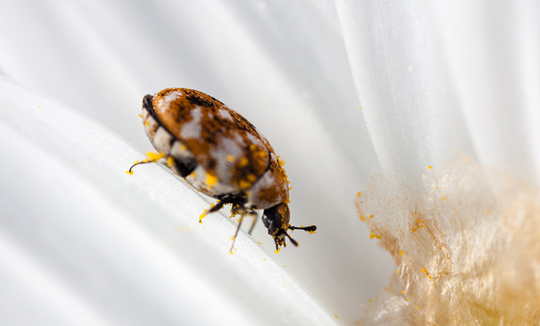
Tips For Bed Bugs Travel in spring

How To Avoid Bringing Bed Bugs Home From Vacation This Spring ?

After the brutal cold of winter, people across the country are looking forward to packing their bags and jetting off to warmer destinations this spring. But before the fun in the sun can begin, it’s important to be aware of a pest you do not want hiding away in your luggage on the trip home – bed bugs. Bed bugs are excellent hitchhikers, which means that if you’re not careful, good memories and a tan may not be the only souvenirs you bring home from spring vacation.

How do Bed Bugs “Hitchhike?”

Bed bugs do not have wings and are therefore unable to fly; however, that doesn’t stop them from traveling near and far with their excellent hitchhiking abilities – often hiding away in suitcases, boxes and shoes. Bed bugs are known as good travelers because of their ability to survive in temporary habitats, such as backpacks and personal luggage, as well as underneath the seats in cars, buses and trains.

Although bed bugs are typically found in bed parts like mattresses and box springs, they can also hide themselves behind baseboards, wallpaper, upholstery, picture frames, electrical switch covers, and in the crevices of furniture – so they are not always easy to spot.

Spring travelers opting to book lodging through home-sharing services should still be on the lookout for bed bugs. No matter where you stay, follow these bed bug prevention tips to ensure worry-free vacation travels:

When You Arrive At Your Destination:

  • Thoroughly inspect the entire room before unpacking, including behind the headboard, under lights, and inside dressers, drawers, sofas and chairs.
  • Pull back the sheets and inspect the mattress seams and box springs, particularly at the corners, for pepper-like stains, spots or shed bed bug skins. 
  • Place suitcases in a plastic trash bag during the duration of your trip to ensure that bed bugs cannot take up residence there prior to departure. 
  • Do not place luggage on upholstered surfaces. The safest place is in the bathroom in the middle of a tile floor or on a luggage rack after it has been thoroughly inspected. Do not use a luggage rack if it has hollow legs, where bed bugs may hide unseen.

If you suspect your room is infested, notify management and request to change rooms immediately. Be sure to avoid rooms next to and above/below the suspected infestation, as bed bugs can easily move and spread via housekeeping carts, luggage and even through wall sockets.

When You Arrive Home

  • Inspect your suitcases outdoors before bringing them into the house.
  • Vacuum your suitcase thoroughly before storing it. A garment hand steamer is preferable because it can kill any bed bugs or eggs that may have traveled home with you.
  • Wash and dry all of your clothes – even those that have not been worn – on hot cycles.
  • Keep clothes that go to the dry cleaner in a sealed plastic bag until they can be transported.

. Once bed bugs enter a household, they’ll quickly make themselves at home and are extremely difficult to get rid of.

Thanks for reading

Perfect24x7pestcontrol
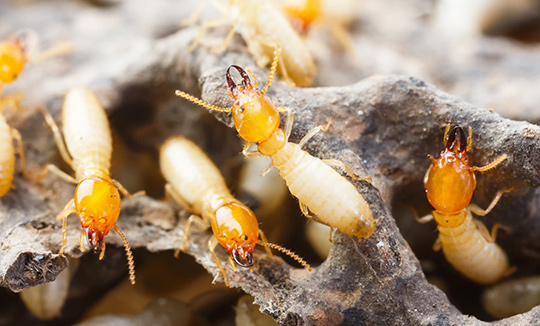
Pest control: Attract termites

Few things that attract termites


1

What attracts termites? Does mulch? Do pine cones? It’s hard to prevent a home termite infestation if you don’t know what draws them to your property.

Oftentimes, homeowners make a concerted effort to complete seasonal projects around the home to prevent pests from coming inside. However, some of these tasks may actually be doing more harm than good, especially when it comes to termites. Check out this slideshow to find out if you are attracting termites to your home.

  • TreesTree limbs and leaves that come in contact with the roof and home exterior can provide a pathway for termites seeking a new colony location. Additionally, tree limbs that block sunlight can slow the evaporation of precipitation, encouraging moisture build-up.
  • Firewood & WoodpilesMany homeowners keep firewood stacked against their home or on the stoop for easy access. However, doing so can draw termites toward the home and provide a point of entry. The NPMA recommends keeping firewood and woodpiles at least 20 feet away from the home and if possible, store wood raised at least 5 inches from the ground.
  • Improper DrainageIt’s no one’s favorite chore, but cleaning the gutters is also a necessary part of termite prevention. Termites are attracted to moisture and clogged gutters can cause water to pool and make insulation vulnerable to termites. Diverting rainwater away from the foundation with down-spout extenders and splash blocks will also prevent water from pooling and attracting termites.
  • Excess WoodMany people are guilty of leaving stumps and dead trees in their yard. However, any rotting wood material can serve as termite fuel and eventually result in termites entering the home.
  • MulchMulch is frequently used near the home and against the foundation. However, mulch can serve as a source of food for termites and also retains moisture, which attracts these destructive pests. Minimize the usage of wood mulch and keep it at least 15 inches from the foundation. Monitor existing mulch for any signs of termite activity, especially below the surface.
  • TreesTree limbs and leaves that come in contact with the roof and home exterior can provide a pathway for termites seeking a new colony location. Additionally, tree limbs that block sunlight can slow the evaporation of precipitation, encouraging moisture build-up.
  • Firewood & WoodpilesMany homeowners keep firewood stacked against their home or on the stoop for easy access. However, doing so can draw termites toward the home and provide a point of entry. The NPMA recommends keeping firewood and woodpiles at least 20 feet away from the home and if possible, store wood raised at least 5 inches from the ground.

Termites are a destructive pest that cannot be eradicated with do-it-yourself measures. In fact, termites lead to more than $5 billion in property damage each year.

Thanks for reading ,

Perfect24x7pestcontrol


Free Home [Pest Control] Advices:-

As the flowers begin to bloom and the weather takes a turn for the better, homeowners will start to make to-do lists to help them tackle their spring cleaning. While dusting and sweeping are par for the course, our spring cleaning advice is for homeowners to make sure to also incorporate proper pest-proofing into their deep clean during the spring. Although summer pests may seem like just a nuisance, warm weather invaders like flies and termites can pose serious threats to people and property alike. To ensure your home is properly prepared for the season ahead, see below for the pests that could pose problems during the summer and how to keep them out for good.

Our Spring Cleaning Advice for a Pest-free Home

Ticks

Ticks pose serious health threats to humans and animals, as they are known for transmitting diseases such as Rocky Mountain spotted fever and Lyme Disease. These pests typically hide out in tall grass or shrubbery and alongside roads or trails waiting for a host to walk by, so be sure to keep your yard well maintained and mowed. It is important that you remove a tick as soon as it is spotted on your body to reduce your chance of contracting a disease. You can lessen the chances of bringing ticks into your home by wearing long sleeves and pants when outdoors, as well as insect repellent with at least 20 percent DEET.

Fleas

While fleas are known best for irritating pets like cats and dogs, these annoying pests can also bite and transmit diseases to humans. Fleas can cause allergic dermatitis and can transmit the rare bubonic plague as well as tapeworm to pets. Our spring cleaning advice for keeping fleas out of your home and off your family and pets is to maintain a clean home by frequently vacuuming and washing bed linens regularly. Outdoors, yards and lawns should be kept well-groomed since fleas prefer to hide in tall grass. Fleas typically travel upon rodents, so eliminate any rodent harborage sites such as overgrown shrubs or trees. Pet owners should perform flea checks after pets have been outside, bathe and groom them regularly, and visit a veterinarian annually.

Termites

Termites begin to swarm in early spring when the weather gets warmer, putting homeowners at serious risk. In the U.S., termites cause more than approximately $5 billion in property damage each year. Subterranean termites are known to cause the most damage with their saw-toothed jaws, while Formosan termites are the most aggressive, able to quickly reproduce and wreak havoc. Look to reduce humidity and moisture buildup around the home through proper ventilation of crawl spaces, attics, and basements to avoid attracting termite swarms. Additionally, storing firewood at least 20 feet away from the home and keeping mulch at least 15 inches from the foundation of your home is a good way to keep termites out.

Ants

More than 20 different ant species are known to infest homes, schools and businesses. Although ants may seem like just a nuisance, they pose real threats such as food contamination and costly property damage. Our spring cleaning tip is to keep ants out this spring by sealing cracks and crevices that allow entry into your home. Prevent ants from getting into the kitchen by disposing of trash regularly and keeping all sweets in closed containers. Additionally, eliminate moisture or standing water near the home and keep tree branches and other plants cut back from the house, as ants often use these as highways into the home. 

Flies

House flies contaminate food surfaces by spreading disease organisms picked up on their legs and mouths when feeding on trash, feces and other decaying substances. These common pests are known to transfer over 100 different pathogens, including typhoid and salmonellosis. House flies and fruit fliescan cause major headaches but are easily prevented with vigilant sanitation. Keeping kitchen counters clear of food and regularly removing trash in a sealed tight bag is the best way to prevent flies. Make sure to repair any visible rips or tears to mesh screens around the home, and apply any as needed to windows and doors to prevent fly entry.

Cockroaches

Cockroaches pose serious health risks, as they’re known to spread illnesses such as E. coli and Salmonella, and can also trigger asthma and allergy symptoms. If you find one cockroach in your home, it’s likely there are many more hiding in the cracks and crevices. Just like many other pests, cockroaches are attracted to moisture and food sources. Vacuum frequently and store your food in airtight containers to keep cockroaches out. In addition, seal any cracks or crevices around the home and eliminate moisture buildup in attics, basements and crawlspaces. Pay special attention to kitchens and bathrooms, as these areas are particularly vulnerable to cockroach infestations.

Bed Bugs

Bed bugs are one of the most common pests homeowners encounter, according to pest professionals. In fact, the National Pest Management Association’s 2018 Bugs Without Borders survey found that 97% of pest control professionals treated for bed bugs in the previous year. Although bed bugs do not transmit any diseases, their bites can become red, itchy welts and an infestation can be difficult to control once it takes hold. Be sure to properly inspect all furniture for tell-tale blood spots and shell casings, paying special attention to the seams of your mattress. Additionally, inspect areas where your pets sleep for any signs of an infestation. If you’re returning home from a spring vacation, make sure to inspect your suitcases outdoors before bringing them inside. Also, wash and dry all clothes on hot cycles, even those that have not been worn.

Thanks, guys

Perfect 24×7 pest control