From cleaning supplies to meal ingredients, opting for organic options is on the rise. Natural, green options are even available to help keep pests out of your home and yard. Whether you’re a pet owner, a parent or just want to lower your carbon footprint, there are plenty of reasons to consider switching to organic pest control.
Lessen Your Carbon Footprint On a large scale, pesticides used in farming emit greenhouse gases that can contribute negatively to climate change. This knowledge has led many to adopt alternative and environmentally friendly farming practices. Whether you’re a member of the industrial agriculture world or growing the perfect peppers in your backyard, green pest control options are available to help you lessen your carbon footprint.
Strategic Pest Control Instead of an all-encompassing product, organic pest control options are targeted to repel and eliminate the specific pests that are troubling you. Our pest control technicians are highly experienced and familiar with the behaviors of local pests. A custom combination of natural solutions can force pests out and keep them from returning.
Essential Oils In addition to organic pest control solutions, you can perform routine maintenance with the right essential oils. These natural extracts can be organic pest repellants when used properly. Call today to learn more about organic pest control and essential oil pest control solutions for your home to eliminate common house bugs.
Despite just the obvious annoyances, pests can cause a whole host of problems. From house damages to diseases, an infestation is not something anyone wants to deal with. While some infestations can be easy to spot by the physical damage to your home, another clue to a pest invasion could be your own health. Cockroach allergies are a common case and could be the reason behind your sneezing and coughing. Paying attention to your general health might uncover a pest-related problem that is affecting both your home and your health.
Signs and symptoms of cockroach allergies:
Coughing and sneezing
Congestion
Rashes and itchiness
Watery eyes
Ear/Sinus infection
Asthma attacks or wheezing
Runny nose
Itchy throat
While many of these symptoms seem common with any allergic reaction, they should still be taken into consideration. If someone was to experience any of these health problems year-round, rather than seasonally, it could be a sign that the problem could be found in your home. In many cases, some refer to feeling like they have had a common cold that they have not been able to get over. Those who have asthma seem to be particularly vulnerable to the allergy and can experience stronger symptoms and more frequent asthma attacks.
Along with dust mites, cockroaches carry a certain protein that commonly triggers asthma and allergies. This protein is found in their urine, feces and shedding. While a cockroach may never be seen or in direct contact with someone, any cross-contamination of these things can set off the reaction. Since an infestation usually is throughout a house, this leaves almost no space safe.
While there is no direct cure for a cockroach allergy, the symptoms can at least be treated if diagnosed by a doctor. Over-the-counter drugs can also help alleviate some of the discomfort. The best idea for solving the issue would be to contact your local pest control service for advice on how to control the infestation and to thoroughly clean your home.
Whether it’s spiders, scorpions or fire ants – pest control is a serious matter. Even though critters can appear cute, it’s important to teach your little ones to keep their distance. While your kiddos only want to play, what they don’t understand is that pests often carry diseases or even bite. These tips will help keep your children safe.
Fence it in. Protect your plants and your kids with a simple mesh fence that will differentiate your garden from the rest of your backyard. Fencing is an effective technique to keep unwelcome rabbits or bunnies out of your garden. Even though these critters look friendly, they’re capable of carrying dangerous diseases.
Garden in flower pots. By planting your precious produce in flower pots, you can stop convenient snack opportunities for pests who might sting or bite your child. A flower pot is raised up from the ground-level and might deter any pest from nibbling. If this doesn’t work, try placing your flower pots on elevated surfaces so you can keep a better eye on your plant.
Use tactics to scare animals. Metallic CDs or even a scarecrow are techniques that you can use to keep pesky animals away from your children. While these ideas might seem outdated, they are worth a try.
Utilize repellents. From Citronella candles to essential oils and bug spray, sometimes your only option is to use repellents to get rid of pesky pests. It’s important to note that even though certain repellants aren’t good for animals to eat, they don’t hurt animals either. You can train the wildlife in your area to stay away from your garden by using these special repellants.
There are many methods to get rid of pests but if you’re experiencing bug troubles in your garden or in your home, contact your local pest control company to check out the area today.
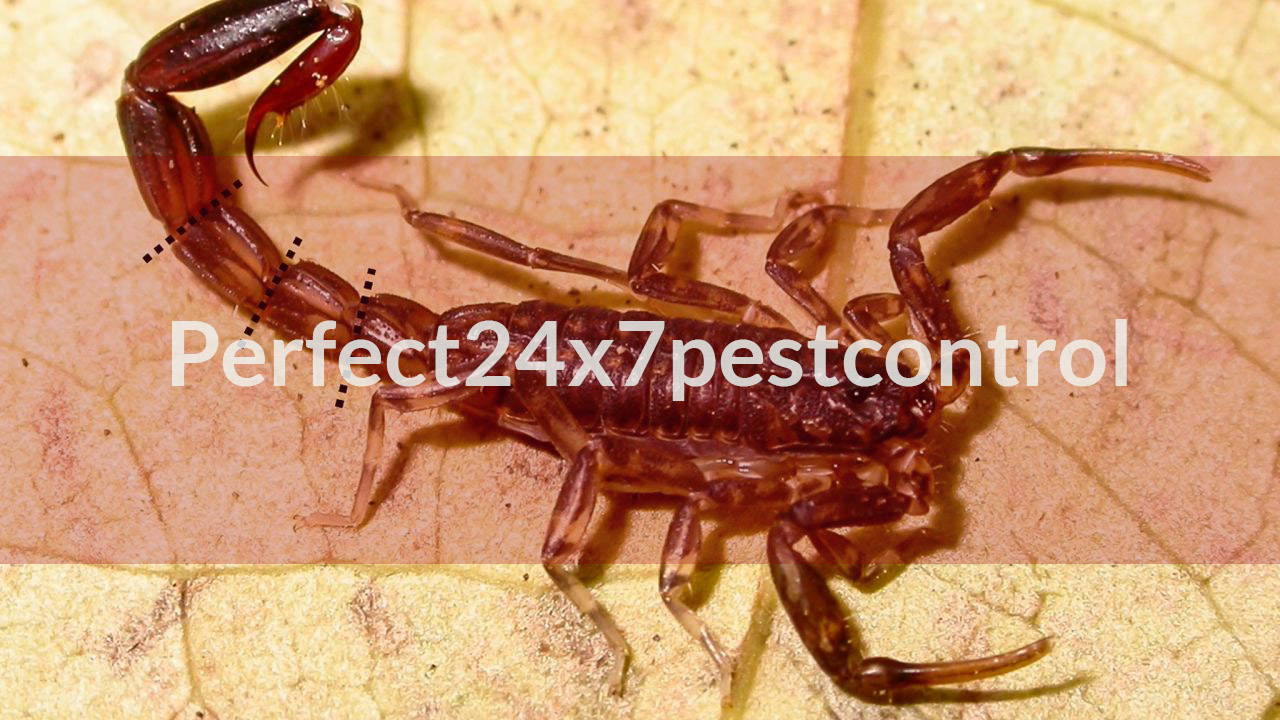
No one can deny that scorpions are one of the scariest bugs out there. Between the weird crab-like pinchers and the barbed tail, it is no wonder scorpions are scary-looking enough to inspire giant scorpion monsters in SyFy original movies. As fun (or dumb) as it might be to watch scorpions used as plot devices in movies, getting stung by one of these prehistoric creatures can be quite painful. They are venomous – and though scorpion-caused deaths are rare, they can be dangerous to small children. Here are some ways to protect your family from scorpions.
Seal up your home
The first thing you should do is make sure your home is sealed properly. Search the perimeter of your house for tiny holes or gaps. Use caulk to fill in any holes you may find. It also wouldn’t hurt to replace the weather stripping on your front and back doors. As an added bonus, sealing up your home will prevent any other bugs or insects from entering your home, and it can even lower your electric bill.
Add a pinch of cinnamon
As funny as it sounds, cinnamon is a natural deterrent to scorpions. If you just sprinkle a little bit of cinnamon around your windows and baseboards, scorpions will have a harder time getting in. Don’t worry if you have pets. According to the ASPCA, cinnamon is non-toxic to dogs and cats. Just make sure you don’t put down cinnamon sugar because that will attract all kinds of other bugs and insects.
Go through clothing items and bed sheets
Before you and your kids go to bed, make sure you go through the bed sheets. That’s a popular hiding place for scorpions. While you’re at it, don’t leave piles of clothing on the floor, either. Before you put shoes on, make sure you won’t find any surprises in there. These little guys can get just about anywhere, and trust us, you don’t want to be stung when you’re just trying to go to bed.
Get rid of other bugs and insects
As if scorpions weren’t scary enough, they eat other bugs and insects like roaches and ants. If you have a scorpion problem, you likely also have a roach or an ant problem. Make sure you don’t have any other infestations before you tackle the scorpion problem.
Professional scorpion control
If scorpions continue to get into your home, consider getting the pest control experts from Perfect24x7PestControl to come help you with your scorpion removal needs.
If you’re scared of snakes, you’re not alone. Around 51% of people say snakes freak them out, according to a Gallup poll. Imagine walking into the kitchen and seeing a snake coiled up on the floor at your feet. Luckily, most house snakes are smaller because they can fit through the gaps. If you can call a pest control company for snake removal, keep any children and pets away from the area and keep an eye on the snake while you call. While it’s best to call a pest control company for snake removal, sometimes not interacting with the snake isn’t always an option. Here is what to do if you find a snake in your home:
Remain calm and try not to disturb the snake or drive it into hiding.
If it is possible to get it out the door, grab a broom and gently guide the snake out the door. Safety comes first, make sure you are careful if you are trying to handle the snake yourself.
If the snake is coiled, place a trash can or bucket over it with some weight on top and wait for a pest control company to come.
If you are unsure if the snake is poisonous, it is best to leave it for professionals to take care of and remove from your property. Once the snake is removed from your home, you want to safeguard against any further invasions. Most likely, it slithered in through a small gap or hole in your house. Finding these and fixing them will prevent any future snakes making an unwelcome visit to your home. If you have a snake in your walls, do not try to coax it out of hiding. Call a pest control company to come and remove it from your walls.Finding a reliable and knowledgeable pest company doesn’t need to be difficult – Perfect24x7pest control is here for all your pest needs Snake removal and helping you prevent future visits are part of our service. Call Perfect24x7pestcontrol for prevention or snake remove
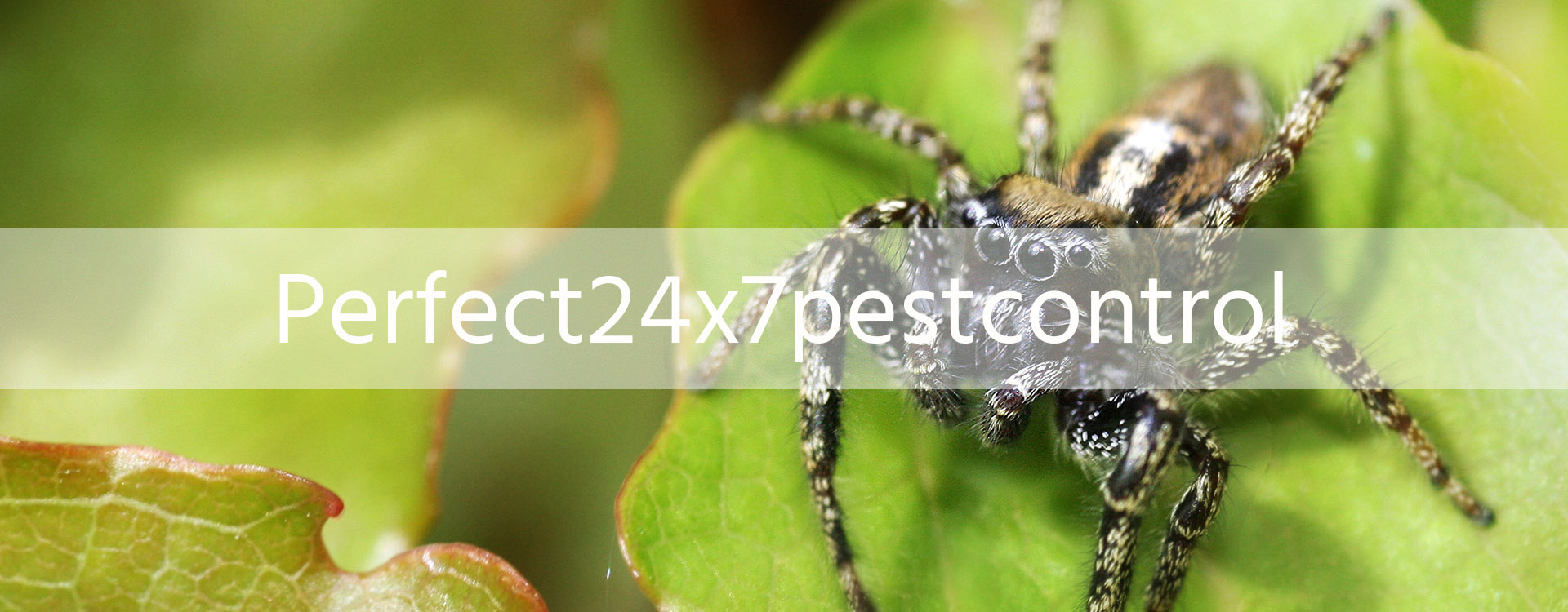
Spider bites can be a terrifying experience. While many spiders are harmless and their bites do not need medical attention, some spider bites are a cause for concern. If you’ve been bitten by a spider, there are steps you can take to minimize harm and take care of yourself properly.
The type of spider that bit you will indicate how serious the bite is and whether you can treat it at home. Most spiders in the United States are not dangerous, and many are not large or strong enough to puncture the skin. However, you may have been bitten by a black widow or brown recluse spider, whose bites will require medical assistance. Look up pictures of the spider that bit you and determine if it is a black widow or brown recluse. This will help you determine if you need to seek out a doctor for treatment.
Decide if you need medical attention
If you have been bitten by a dangerous spider or cannot determine the type of spider that bit you, go to the doctor immediately for further evaluation. If you are experiencing symptoms such as severe pain, abdominal cramping, excess swelling or breathing issues, the bite is urgent. Black widow spider bites cause pain, stiffness, abdominal pain, chills, fever, and nausea. Brown recluse spider bites cause intense pain, and the area around the bite is characterized by a blue or purple tinge and a possible red ring. A doctor can determine the seriousness of the bite and decide further treatment if necessary.
If not, treat the bite at home
If you have been bitten by a harmless spider, you may have an itchy wound, but the spider has either left harmless venom or was too weak to inject any venom at all. Clean the wound using soap, water, and antibiotic ointment. Apply an ice pack to the bite and take an antihistamine medication if needed. You can also elevate the bitten area to help with swelling.
Check up on the bite
If a bite causes you to develop more serious symptoms, seek out a doctor. It is better to be safe than sorry when it comes to spider bites.
If you often have to deal with spiders in your home, you should look into finding a form of spider control. The experts at Perfect24x7Pest Control can help you avoid an infestation of spiders, dangerous or not, in your home. By removing spiders from your home, you remove the risk of dangerous spider bites in the future.
One of the quickest ways to ruin nice weather and backyard enthusiasm is to find out your beloved deck is ridden with termites. Termites can easily and quickly chew through wood and decompose your deck. In order to ensure this nightmare doesn’t come to life for you and your family, we wanted to provide you with a few ways to protect your deck from termites for this year and years to come.
Pick the right wood
If you are already a proud deck owner, this tip might not be too helpful. However, if you are looking to build or even repair a deck in the near future, choosing the right wood is a key part of termite prevention. We recommend looking into any hard or pressure-treated wood, as these are not a favorite snack of termites.
Block out moisture
Just like humans, bugs (termites included) need the essentials to survive. Therefore, termites will be anywhere they can find sources for both food and water. This is why it is so important to keep your deck dry. Make sure there are no leaks in the deck and that it can drain water properly.
Keep it well maintained
Think of your deck just as you would your yard or garden. The less you maintain it, the more likely you are to find bugs and others calling it home. Be sure to repair any cracks in the deck that act as an open door to the rest of your deck for. The trick is to make your deck as unwelcoming as possible for the unwanted guests.
Pesticides
One of the best ways to ensure you maintain a termite-free deck is by spraying pesticides. There are two types of termite pesticides out there. One will act as a repellent while the second will kill current termites found in your deck. Both pesticides are only for professional use. Therefore we suggest contacting a professional like Perfect24x7 Pest Control to help protect your deck for those nights you want to spend outside.
As winter turns to spring, you may discover that you’ve picked up some new roommates – termites. Rain and warmer temperatures trigger the emergence of termites from colonies, which can then infest your home. If you are finding winged termites near your foundation, porch or patio, or see mud tubes near your foundation, then you will need the help of a professional to investigate if you have an infestation.
It can be tempting to attempt to eradicate termites on your own, but you will need the help of a professional for proper termite control. It can be difficult to properly identify the signs of a termite investigation, so you will need professional help even for the initial states of removing termites. If there is a termite infestation, leaving it untreated or improperly treated can lead to severe damage to the structure of your home. It is crucial to deal with the problem immediately to avoid greater issues in the future.
Getting rid of termites requires special skills and detailed knowledge of building construction. A hired professional will be able to properly identify critical areas where termites can enter a home, which may be difficult for a layperson to access. Professionals also have training in heavy-duty tools that are used in termite control, such as drills and spray tanks. Many termite infestations require the use of large quantities of liquid pesticides injected into the ground and foundation, which is not feasible for the average homeowner. Products available for purchase for homeowners will not fully eradicate termites.
Long-term termite damage to your home is costly and dangerous. Improperly treating the problem will lead to a greater hassle down the line. All of these problems can be avoided by hiring a trained professional who is experienced in termite identification and eradication. Contact Perfect24x7Pest Control for information on services and pricing. Our team of experienced professionals will provide excellent service for all of your pest control needs.
Take a proper treatment before you enter a new house
Few things are more exciting than purchasing a home, and to ensure the process goes smoothly, certain steps must be taken. Aside from any cosmetic updates you may want to make to your new residence, it’s important to also account for any problems that may not be visible to the naked eye. One such problem is a termite infestation. This is why a new home pest inspection is so important.
Termites, commonly referred to as “silent destroyers” for their ability to voraciously chew through wood, flooring and even wallpaper undetected, cause more than $5 billion in property damage each year, which is typically not covered by homeowners’ insurance. Before signing on the dotted line, prospective buyers should always request a termite inspection, commonly referred to as a wood destroying organism (WDO) inspection, by a licensed pest control professional to avoid getting stuck with costly repairs after the deal is done.
While a standard home inspection assesses the physical structure of a home from the roof to foundation, a termite new home inspection focuses on detecting the telltale signs of termite damage, as well as conditions conducive to infestations, such as cracks, crevices and moisture. Once completed, the pest control professional will issue a new home pest control report and recommend a course of action. When touring a new home, experts recommend keeping an eye out for the following signs that could mean a termite infestation is hiding in plain sight:
Mud tubes (used by termites to reach a food source) on the exterior of the home
Soft wood in the home that sounds hollow when tapped
Darkening or blistering of wood structures
Small piles of feces that resemble sawdust near a termite nest
Discarded wings near doors or on windowsills indicating swarmers have entered the home
While the above are signs of an active termite infestation, it’s important that prospective homebuyers are also aware of situations that could be attracting termites to the home. When touring a property, here are some additional things to keep an eye out for, and how to mitigate their effects should you move forward with purchasing:
Firewood
Many homeowners keep firewood stacked against their home for easy access. However, this can actually draw termites toward the home and provide a point of entry.
Tip: Keep firewood and woodpiles at least 20 feet away from the home and store wood on raised platforms at least 5 inches from the ground.
Gutters
Termites are attracted to moisture, and clogged gutters can cause water to pool and make insulation vulnerable to termites.
Tip: Divert rainwater away from the foundation with down-spout extenders, and install splash blocks to prevent water from pooling and attracting termites.
Stumps
While it may seem easier to leave a tree stump in your yard, rotting wood can serve as termite fuel and eventually result in termites entering the home.
Tip: Have a professional service remove any excess wood from your property.
Mulch
Mulch is frequently used against the foundation of a home, and can serve as a source of food and moisture for termites.
Tip: Minimize the usage of wood mulch and keep it at least 15 inches from the home’s foundation. Monitor existing mulch for any signs of termite activity, especially below the surface.
Branches
Tree limbs and leaves that come in contact with the roof or the home’s exterior can provide a pathway for termites to enter the home.
Tip: Trim back any branches or shrubbery to ensure nothing is touching the home.
Due to termites’ incredibly destructive nature, prospective homebuyers should take steps to detect and prevent an infestation. No matter what side of the housing market you’re on, it’s important to get a new home pest control inspection. We recommend you contact a licensed pest control professional like Perfect24x7pestcontrol to assess and treat a termite infestation before it escalates into an expensive and irreconcilable problem.
Ticks : Some Little-known Facts which is related to ticks
It’s summertime, which means more sunshine and more time outdoors playing, hiking and exploring nature. Unfortunately, this can also mean more quality time with some of nature’s most nefarious pests. Ticks, which are commonly encountered in tall grass and wooded areas, are one such notorious pest. And it’s important to make sure that you protect yourself and your family.
Although small in size, ticks can cause big problems by spreading dangerous diseases like Lyme disease and Rocky Mountain spotted fever. So, before heading outdoors this summer, check out the following little-known facts about ticks to learn more about these biting buggers.
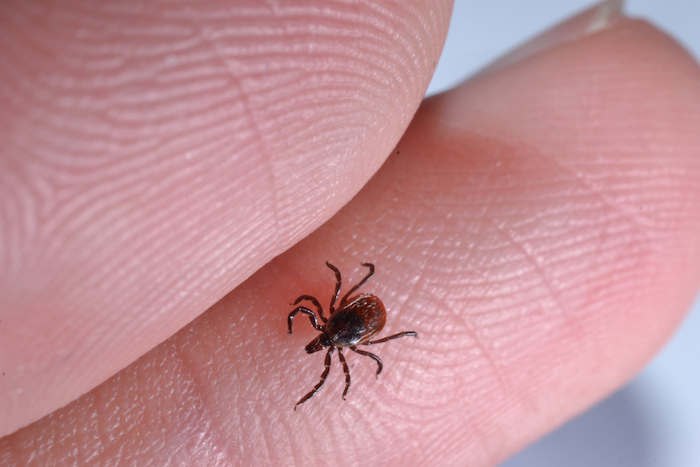
Ticks are not insects.It’s true. Ticks are not insects, although they are often mistaken for them. Ticks are actually classified as arachnids, or relatives of spiders, scorpions and mites. If you look closely at a tick when identifying it, it kind of resembles a spider with its four pairs of legs and lack of antennae.
Ticks are mini, real-life vampires… They want to suck your blood.Did you know that ticks require a blood meal to survive. That’s right! Ticks require blood for sustenance. Blacklegged ticks, for example, primarily feed on the blood of white-tailed deer, but they will also bite mice, small wild animals, birds and humans.
Ticks are daredevils.Ticks don’t jump or fly. Instead, they crawl up low brush or grass to find a host. Then, they clasp on with their back legs and reach their front legs out to grab onto a passing animal or human. This process is called questing. Sometimes, they even drop from their perch and free fall onto a passing host. Talk about a risky move!
Ticks are dog lovers, too.Some ticks species, like the American dog tick and brown dog tick, prefer dogs as hosts. Unfortunately, dogs are often easy targets when playing in the yard or going for a walk in wooded areas. If you’re a pet owner, don’t forget to check FIDO frequently for ticks, especially after walks or playtime, and regularly wash bedding and plush toys. If you have an indoor/outdoor cat, be sure to check it regularly for ticks too.
When it comes to feeding, ticks are in it for the long haul.Unlike many other biting pests, ticks are adapted to feed for long periods of time. They bury their curved teeth deeply into the skin of a host, so they can remain securely attached for days on end to eat. It’s important to note that ticks typically require 24-48 hours of feeding before they can successfully transmit infections like Lyme disease, so prompt removal is crucial.
Were you surprised by any of these tick facts? Ticks may pose a threat to our health, especially during the summer when people – and pets alike – spend increased amounts of time in the great outdoors. However, that doesn’t mean we all have to stay bunkered down on house arrest over the next few weeks. If you plan on taking advantage of the warm weather by hiking, biking, camping or going on an outdoor adventure this season, just make sure to follow these five tips to prevent tick bites.
Do you identify Bug Bites ? and the Pests that Cause Them
Some biting pests such as mosquitoes, fleas and ticks are most active during the warmer months. Others, like bed bugs, are active year round but become a larger concern with increased summer travel. Mosquitoes, fleas, ticks and bed bugs don’t bite out of self-defense. No, they’re biting you to get their next blood meal. While some biting insects merely cause itchy welts on the skin, others pose more serious health threats such as West Nile virus and Lyme disease. Use this guide on identifying bug bites to make sure you properly address any potential health or home issues before they become more serious.
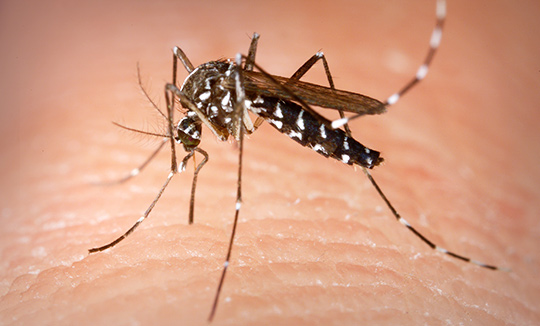
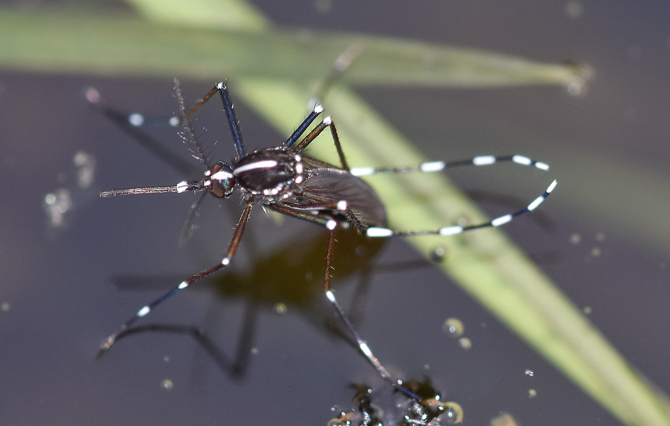
Mosquitoes
Overview: Mosquitoes are one of the best-known summer pests because of their pesky nature. There are about 170 different mosquito species in North America alone. They are mostly brown, gray, or black and typically have white, silver, green or iridescent blue scales.
Habitat: Mosquitoes need water to breed, so they are often found near water source of all sizes – from ponds and marshes to the bird bathes in our own backyards.
Bite Mark: Mosquitoes are known to bite humans, leaving red, itchy bumps on the skin.
Threats: Mosquitoes are also vectors of many serious and potentially fatal diseases in the United States, such as West Nile virus, eastern equine encephalitis and dengue fever. Worldwide, mosquitoes have been implicated in the spread of yellow fever, malaria and Chikungunya virus.
Prevention Tip: Eliminate mosquito breeding grounds on the property by draining standing water from flowerpots, birdbaths, grill covers, baby pools and other sources.
Unique Fact: Only female mosquitoes bite and feed on humans. They hunt for food by detecting body heat and the carbon dioxide we exhale.
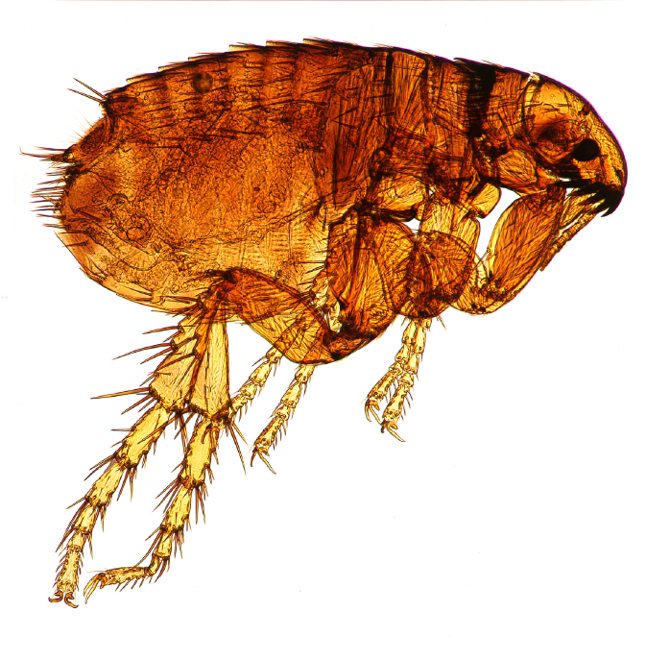
Fleas
Overview: Fleas are parasites that feed on the blood of any warm-blooded host. The most common type of flea is the cat flea, which often feasts on cats, dogs and humans.Most fleas are dark reddish-brown in color and range in size from 1/12 to 1/6 inch long.
Habitat: Fleas transport themselves on household pets, rodents and wild animals like opossums, raccoons and skunks. Adult cat fleas usually remain on their hosts at all times, though this isn’t true for all flea species.
Bite Mark: Fleas are known to bite their host, which often results in painful, itchy red bumps. Their saliva can also cause serious flea allergy dermatitis in pets.
Threats: Fleas have been implicated in the spread of disease, from the rare bubonic plague to the bacterial disease murine typhus, and serve as intermediate hosts for tapeworms.
Prevention Tip: Protect family pets by practicing active flea management, which includes bathing and grooming them regularly, visiting a veterinarian annually and using a flea treatment during the warm months.
Unique Fact: Fleas can jump up to 8 inches high, or 150 times their own height. If humans could do this, we would be able to leap over skyscrapers!
Ticks
Overview: Ticks are another type of biting pest known to suck the blood of its host. Contrary to popular belief, ticks are actually arachnids, not insects. The most common types of ticks are dog ticks, blacklegged deer ticks, lone star ticks and Rocky Mountain wood ticks. Ticks vary in color depending on the species, but most adult ticks are flat, oval and smaller than a sunflower seed, unless recently fed.
Habitat: Ticks are often found near woods or other highly vegetated areas.
Bite Mark: The most obvious sign of a tick bite is the tick itself latched onto or burrowed beneath the skin. Otherwise, the most recognizable sign is an expanding “bull’s-eye” rash, which indicates Lyme disease.
Threats: Not only do ticks bite, but they are also vectors Lyme disease, babesiosis, Rocky Mountain spotted fever, anaplasmosis and a variety of other tick-borne diseases.
Prevention Tip: Inspect yourself carefully for ticks after being outdoors. If you find a tick, follow these steps to effectively remove and dispose of it.
Unique Fact: Blacklegged deer ticks can live as long as 200 days without food or water.
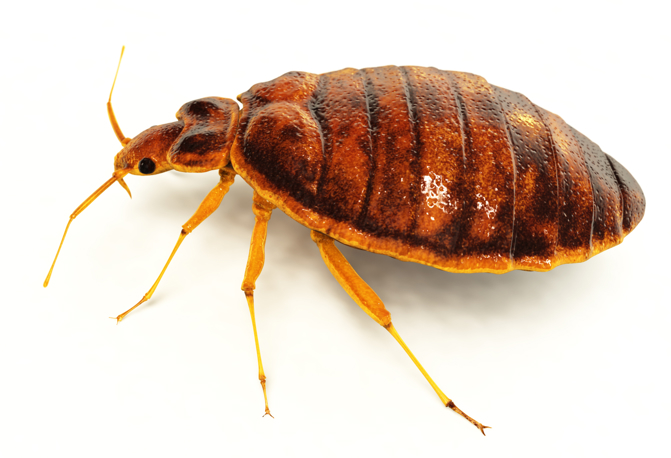
Bed Bugs
Overview: Bed bugs get their name from their habit of hiding near beds, which allows them to feed on human hosts while they sleep. Adult bed bugs are about ¼ inch long. They have mahogany to red-brown bodies that are flat and oval when unfed, and become swollen and elongated after a blood meal.
Habitat: Bed bugs are excellent hitchhikers. They will hide in luggage, purses, laptop cases and other personal belongings in an effort to find a human food supply. They are elusive creatures. Bed bugs are often found in close proximity to bedding and mattresses, but they also hide behind baseboards, in electrical switch plates and picture frames, behind wallpaper and nearly anywhere inside a home, car, bus, hotel, college dorm, etc.
Bite Mark: Bed bugs are known to bite humans, especially on the legs, arms and other body parts exposed while sleeping. While some people may develop red, itchy welts, others will show no signs at all.
Threats: Bed bugs don’t transmit diseases, but people can develop an allergic reaction to the bed bug’s saliva, which acts as a numbing agent.
Prevention Tip: Never bring second-hand furniture into the home without thoroughly examining it for signs of bed bugs, including small red to reddish brown fecal spots and molted bed bug skins.
Unique Fact: Bed bugs can ingest seven times their weight in blood, which is equivalent to an average male drinking 120 gallons of liquid.
Learn about stinging insects
Now that you’ve become an expert on biting pests, you should check out this Stinging Insects 101article on bees, hornets, wasps and yellow jackets. You’ll find some useful information on how to identify the pest, the nest and the threat.






 Perfect24x7pestcontrol