Some steps to protect your deck from termites:-

One of the quickest ways to ruin nice weather and backyard enthusiasm is to find out your beloved deck is ridden with termites. Termites can easily and quickly chew through wood and decompose your deck. In order to ensure this nightmare doesn’t come to life for you and your family, we wanted to provide you with a few ways to protect your deck from termites for this year and years to come.

Pick the right wood

If you are already a proud deck owner, this tip might not be too helpful. However, if you are looking to build or even repair a deck in the near future, choosing the right wood is a key part of termite prevention. We recommend looking into any hard or pressure-treated wood, as these are not a favorite snack of termites.

Block out moisture

Just like humans, bugs (termites included) need the essentials to survive. Therefore, termites will be anywhere they can find sources for both food and water. This is why it is so important to keep your deck dry. Make sure there are no leaks in the deck and that it can drain water properly.

Keep it well maintained

Think of your deck just as you would your yard or garden. The less you maintain it, the more likely you are to find bugs and others calling it home. Be sure to repair any cracks in the deck that act as an open door to the rest of your deck for. The trick is to make your deck as unwelcoming as possible for the unwanted guests.

Pesticides

One of the best ways to ensure you maintain a termite-free deck is by spraying pesticides. There are two types of termite pesticides out there. One will act as a repellent while the second will kill current termites found in your deck. Both pesticides are only for professional use. Therefore we suggest contacting a professional like Perfect24x7 Pest Control to help protect your deck for those nights you want to spend outside.

How difficult are termites to treat?

how to treat termites
Perfect24x7pestcontrol

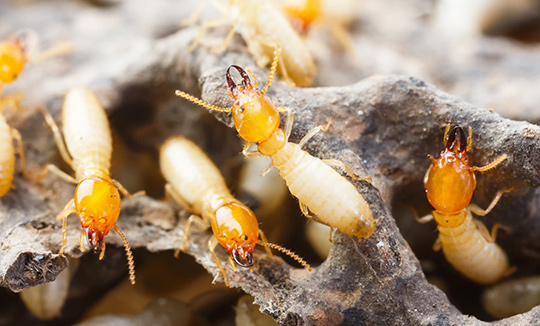
As winter turns to spring, you may discover that you’ve picked up some new roommates – termites. Rain and warmer temperatures trigger the emergence of termites from colonies, which can then infest your home. If you are finding winged termites near your foundation, porch or patio, or see mud tubes near your foundation, then you will need the help of a professional to investigate if you have an infestation.

It can be tempting to attempt to eradicate termites on your own, but you will need the help of a professional for proper termite control. It can be difficult to properly identify the signs of a termite investigation, so you will need professional help even for the initial states of removing termites. If there is a termite infestation, leaving it untreated or improperly treated can lead to severe damage to the structure of your home. It is crucial to deal with the problem immediately to avoid greater issues in the future.

Getting rid of termites requires special skills and detailed knowledge of building construction. A hired professional will be able to properly identify critical areas where termites can enter a home, which may be difficult for a layperson to access. Professionals also have training in heavy-duty tools that are used in termite control, such as drills and spray tanks. Many termite infestations require the use of large quantities of liquid pesticides injected into the ground and foundation, which is not feasible for the average homeowner. Products available for purchase for homeowners will not fully eradicate termites.

Long-term termite damage to your home is costly and dangerous. Improperly treating the problem will lead to a greater hassle down the line. All of these problems can be avoided by hiring a trained professional who is experienced in termite identification and eradication. Contact Perfect24x7Pest Control for information on services and pricing. Our team of experienced professionals will provide excellent service for all of your pest control needs.

Thanks,.

Perfect24x7pestcontrol

Contact No: 8587096187/9205102476

Pest control: Advice for pest control when you buy a home

Take a proper treatment before you enter a new house

Few things are more exciting than purchasing a home, and to ensure the process goes smoothly, certain steps must be taken. Aside from any cosmetic updates you may want to make to your new residence, it’s important to also account for any problems that may not be visible to the naked eye. One such problem is a termite infestation. This is why a new home pest inspection is so important.

Termites, commonly referred to as “silent destroyers” for their ability to voraciously chew through wood, flooring and even wallpaper undetected, cause more than $5 billion in property damage each year, which is typically not covered by homeowners’ insurance. Before signing on the dotted line, prospective buyers should always request a termite inspection, commonly referred to as a wood destroying organism (WDO) inspection, by a licensed pest control professional to avoid getting stuck with costly repairs after the deal is done.  

While a standard home inspection assesses the physical structure of a home from the roof to foundation, a termite new home inspection focuses on detecting the telltale signs of termite damage, as well as conditions conducive to infestations, such as cracks, crevices and moisture. Once completed, the pest control professional will issue a new home pest control report and recommend a course of action. When touring a new home, experts recommend keeping an eye out for the following signs that could mean a termite infestation is hiding in plain sight:

  1. Mud tubes (used by termites to reach a food source) on the exterior of the home
  2. Soft wood in the home that sounds hollow when tapped
  3. Darkening or blistering of wood structures
  4. Small piles of feces that resemble sawdust near a termite nest
  5. Discarded wings near doors or on windowsills indicating swarmers have entered the home

While the above are signs of an active termite infestation, it’s important that prospective homebuyers are also aware of situations that could be attracting termites to the home. When touring a property, here are some additional things to keep an eye out for, and how to mitigate their effects should you move forward with purchasing:

Firewood

Many homeowners keep firewood stacked against their home for easy access. However, this can actually draw termites toward the home and provide a point of entry.

  • Tip: Keep firewood and woodpiles at least 20 feet away from the home and store wood on raised platforms at least 5 inches from the ground.

Gutters

Termites are attracted to moisture, and clogged gutters can cause water to pool and make insulation vulnerable to termites.

  • Tip: Divert rainwater away from the foundation with down-spout extenders, and install splash blocks to prevent water from pooling and attracting termites.

Stumps

While it may seem easier to leave a tree stump in your yard, rotting wood can serve as termite fuel and eventually result in termites entering the home.

  • Tip: Have a professional service remove any excess wood from your property.

Mulch

Mulch is frequently used against the foundation of a home, and can serve as a source of food and moisture for termites.

  • Tip: Minimize the usage of wood mulch and keep it at least 15 inches from the home’s foundation. Monitor existing mulch for any signs of termite activity, especially below the surface.

Branches

Tree limbs and leaves that come in contact with the roof or the home’s exterior can provide a pathway for termites to enter the home.

  • Tip: Trim back any branches or shrubbery to ensure nothing is touching the home.

Due to termites’ incredibly destructive nature, prospective homebuyers should take steps to detect and prevent an infestation. No matter what side of the housing market you’re on, it’s important to get a new home pest control inspection. We recommend you contact a licensed pest control professional like Perfect24x7pestcontrol to assess and treat a termite infestation before it escalates into an expensive and irreconcilable problem.

Thanks for reading

Perfect 24×7 pest control

Interesting facts about tick

Ticks : Some Little-known Facts which is related to ticks

It’s summertime, which means more sunshine and more time outdoors playing, hiking and exploring nature. Unfortunately, this can also mean more quality time with some of nature’s most nefarious pests. Ticks, which are commonly encountered in tall grass and wooded areas, are one such notorious pest. And it’s important to make sure that you protect yourself and your family.

perfect24x7pestcontrol

Although small in size, ticks can cause big problems by spreading dangerous diseases like Lyme disease and Rocky Mountain spotted fever. So, before heading outdoors this summer, check out the following little-known facts about ticks to learn more about these biting buggers.

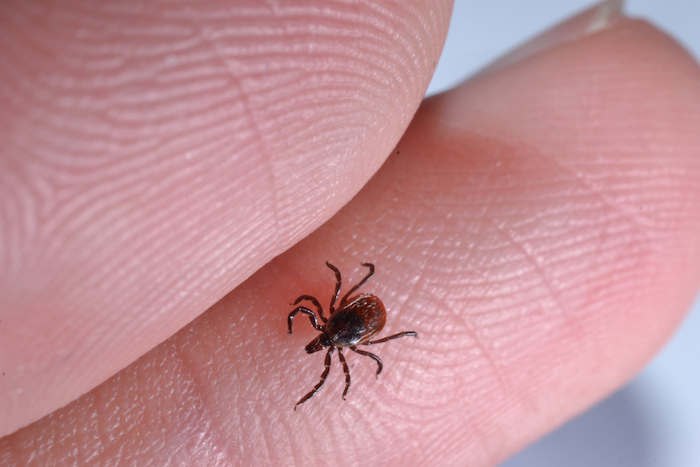
  1. Ticks are not insects.It’s true. Ticks are not insects, although they are often mistaken for them. Ticks are actually classified as arachnids, or relatives of spiders, scorpions and mites. If you look closely at a tick when identifying it, it kind of resembles a spider with its four pairs of legs and lack of antennae.
  2. Ticks are mini, real-life vampires… They want to suck your blood.Did you know that ticks require a blood meal to survive. That’s right! Ticks require blood for sustenance. Blacklegged ticks, for example, primarily feed on the blood of white-tailed deer, but they will also bite mice, small wild animals, birds and humans.
  3. Ticks are daredevils.Ticks don’t jump or fly. Instead, they crawl up low brush or grass to find a host. Then, they clasp on with their back legs and reach their front legs out to grab onto a passing animal or human. This process is called questing. Sometimes, they even drop from their perch and free fall onto a passing host. Talk about a risky move!
  4. Ticks are dog lovers, too.Some ticks species, like the American dog tick and brown dog tick, prefer dogs as hosts. Unfortunately, dogs are often easy targets when playing in the yard or going for a walk in wooded areas. If you’re a pet owner, don’t forget to check FIDO frequently for ticks, especially after walks or playtime, and regularly wash bedding and plush toys. If you have an indoor/outdoor cat, be sure to check it regularly for ticks too.
  5. When it comes to feeding, ticks are in it for the long haul.Unlike many other biting pests, ticks are adapted to feed for long periods of time. They bury their curved teeth deeply into the skin of a host, so they can remain securely attached for days on end to eat. It’s important to note that ticks typically require 24-48 hours of feeding before they can successfully transmit infections like Lyme disease, so prompt removal is crucial.

Were you surprised by any of these tick facts? Ticks may pose a threat to our health, especially during the summer when people – and pets alike – spend increased amounts of time in the great outdoors. However, that doesn’t mean we all have to stay bunkered down on house arrest over the next few weeks. If you plan on taking advantage of the warm weather by hiking, biking, camping or going on an outdoor adventure this season, just make sure to follow these five tips to prevent tick bites.

Thanks for reading

perfect24x7pestcontrol

Do you know what just bit you slowly and slowly?

Do you identify Bug Bites ? and the Pests that Cause Them

4

Some biting pests such as mosquitoes, fleas and ticks are most active during the warmer months. Others, like bed bugs, are active year round but become a larger concern with increased summer travel. Mosquitoes, fleas, ticks and bed bugs don’t bite out of self-defense. No, they’re biting you to get their next blood meal. While some biting insects merely cause itchy welts on the skin, others pose more serious health threats such as West Nile virus and Lyme disease. Use this guide on identifying bug bites to make sure you properly address any potential health or home issues before they become more serious.

Mosquitoes

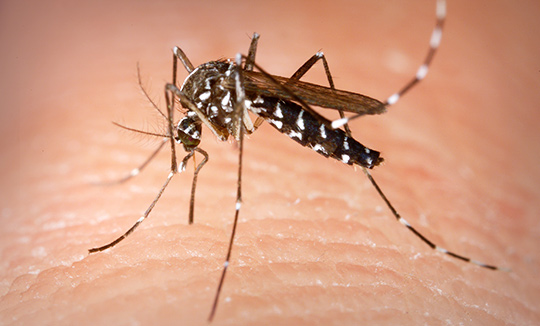
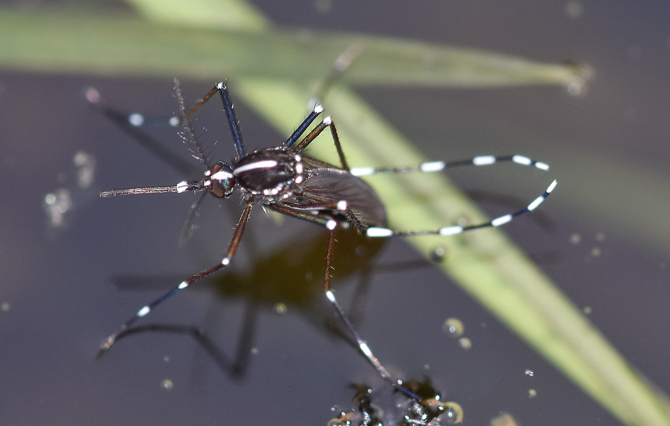
Overview: Mosquitoes are one of the best-known summer pests because of their pesky nature. There are about 170 different mosquito species in North America alone. They are mostly brown, gray, or black and typically have white, silver, green or iridescent blue scales.

Habitat: Mosquitoes need water to breed, so they are often found near water source of all sizes – from ponds and marshes to the bird bathes in our own backyards.

Bite Mark: Mosquitoes are known to bite humans, leaving red, itchy bumps on the skin.

Threats: Mosquitoes are also vectors of many serious and potentially fatal diseases in the United States, such as West Nile virus, eastern equine encephalitis and dengue fever. Worldwide, mosquitoes have been implicated in the spread of yellow fever, malaria and Chikungunya virus.

Prevention Tip: Eliminate mosquito breeding grounds on the property by draining standing water from flowerpots, birdbaths, grill covers, baby pools and other sources. 

Unique Fact: Only female mosquitoes bite and feed on humans. They hunt for food by detecting body heat and the carbon dioxide we exhale.

Fleas

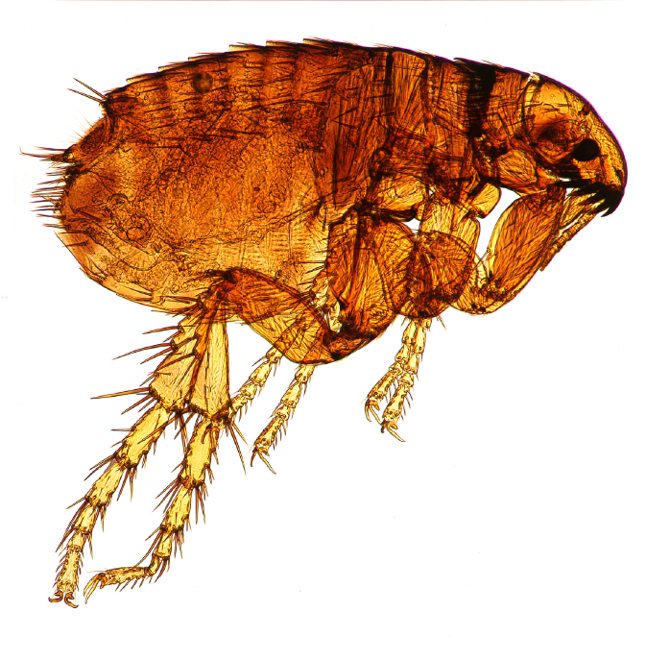
Microscopic Flea

Overview: Fleas are parasites that feed on the blood of any warm-blooded host. The most common type of flea is the cat flea, which often feasts on cats, dogs and humans.Most fleas are dark reddish-brown in color and range in size from 1/12 to 1/6 inch long.

Habitat: Fleas transport themselves on household pets, rodents and wild animals like opossums, raccoons and skunks. Adult cat fleas usually remain on their hosts at all times, though this isn’t true for all flea species.

Bite Mark: Fleas are known to bite their host, which often results in painful, itchy red bumps. Their saliva can also cause serious flea allergy dermatitis in pets. 

Threats: Fleas have been implicated in the spread of disease, from the rare bubonic plague to the bacterial disease murine typhus, and serve as intermediate hosts for tapeworms.

Prevention Tip: Protect family pets by practicing active flea management, which includes bathing and grooming them regularly, visiting a veterinarian annually and using a flea treatment during the warm months. 

Unique Fact: Fleas can jump up to 8 inches high, or 150 times their own height. If humans could do this, we would be able to leap over skyscrapers!

Ticks

Deer Tick

Overview: Ticks are another type of biting pest known to suck the blood of its host. Contrary to popular belief, ticks are actually arachnids, not insects. The most common types of ticks are dog ticks, blacklegged deer ticks, lone star ticks and Rocky Mountain wood ticks. Ticks vary in color depending on the species, but most adult ticks are flat, oval and smaller than a sunflower seed, unless recently fed.

Habitat: Ticks are often found near woods or other highly vegetated areas.

Bite Mark: The most obvious sign of a tick bite is the tick itself latched onto or burrowed beneath the skin. Otherwise, the most recognizable sign is an expanding “bull’s-eye” rash, which indicates Lyme disease.

Threats: Not only do ticks bite, but they are also vectors Lyme disease, babesiosis, Rocky Mountain spotted fever, anaplasmosis and a variety of other tick-borne diseases.

Prevention Tip: Inspect yourself carefully for ticks after being outdoors. If you find a tick, follow these steps to effectively remove and dispose of it.

Unique Fact: Blacklegged deer ticks can live as long as 200 days without food or water.

Bed Bugs

Bed Bug Macro

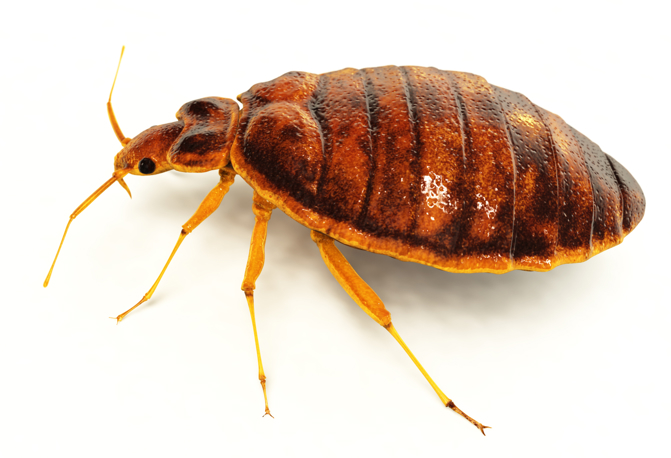
Overview: Bed bugs get their name from their habit of hiding near beds, which allows them to feed on human hosts while they sleep. Adult bed bugs are about ¼ inch long. They have mahogany to red-brown bodies that are flat and oval when unfed, and become swollen and elongated after a blood meal.

Habitat: Bed bugs are excellent hitchhikers. They will hide in luggage, purses, laptop cases and other personal belongings in an effort to find a human food supply. They are elusive creatures. Bed bugs are often found in close proximity to bedding and mattresses, but they also hide behind baseboards, in electrical switch plates and picture frames, behind wallpaper and nearly anywhere inside a home, car, bus, hotel, college dorm, etc.

Bite Mark: Bed bugs are known to bite humans, especially on the legs, arms and other body parts exposed while sleeping. While some people may develop red, itchy welts, others will show no signs at all.

Threats: Bed bugs don’t transmit diseases, but people can develop an allergic reaction to the bed bug’s saliva, which acts as a numbing agent.

Prevention Tip: Never bring second-hand furniture into the home without thoroughly examining it for signs of bed bugs, including small red to reddish brown fecal spots and molted bed bug skins.

Unique Fact: Bed bugs can ingest seven times their weight in blood, which is equivalent to an average male drinking 120 gallons of liquid.

Learn about stinging insects

Now that you’ve become an expert on biting pests, you should check out this Stinging Insects 101article on bees, hornets, wasps and yellow jackets. You’ll find some useful information on how to identify the pest, the nest and the threat.

Thanks for reading

Perfect24x7pestcontrol


Tips For Bed Bugs Travel in spring

How To Avoid Bringing Bed Bugs Home From Vacation This Spring ?

After the brutal cold of winter, people across the country are looking forward to packing their bags and jetting off to warmer destinations this spring. But before the fun in the sun can begin, it’s important to be aware of a pest you do not want hiding away in your luggage on the trip home – bed bugs. Bed bugs are excellent hitchhikers, which means that if you’re not careful, good memories and a tan may not be the only souvenirs you bring home from spring vacation.

How do Bed Bugs “Hitchhike?”

Bed bugs do not have wings and are therefore unable to fly; however, that doesn’t stop them from traveling near and far with their excellent hitchhiking abilities – often hiding away in suitcases, boxes and shoes. Bed bugs are known as good travelers because of their ability to survive in temporary habitats, such as backpacks and personal luggage, as well as underneath the seats in cars, buses and trains.

Although bed bugs are typically found in bed parts like mattresses and box springs, they can also hide themselves behind baseboards, wallpaper, upholstery, picture frames, electrical switch covers, and in the crevices of furniture – so they are not always easy to spot.

Spring travelers opting to book lodging through home-sharing services should still be on the lookout for bed bugs. No matter where you stay, follow these bed bug prevention tips to ensure worry-free vacation travels:

When You Arrive At Your Destination:

  • Thoroughly inspect the entire room before unpacking, including behind the headboard, under lights, and inside dressers, drawers, sofas and chairs.
  • Pull back the sheets and inspect the mattress seams and box springs, particularly at the corners, for pepper-like stains, spots or shed bed bug skins. 
  • Place suitcases in a plastic trash bag during the duration of your trip to ensure that bed bugs cannot take up residence there prior to departure. 
  • Do not place luggage on upholstered surfaces. The safest place is in the bathroom in the middle of a tile floor or on a luggage rack after it has been thoroughly inspected. Do not use a luggage rack if it has hollow legs, where bed bugs may hide unseen.

If you suspect your room is infested, notify management and request to change rooms immediately. Be sure to avoid rooms next to and above/below the suspected infestation, as bed bugs can easily move and spread via housekeeping carts, luggage and even through wall sockets.

When You Arrive Home

  • Inspect your suitcases outdoors before bringing them into the house.
  • Vacuum your suitcase thoroughly before storing it. A garment hand steamer is preferable because it can kill any bed bugs or eggs that may have traveled home with you.
  • Wash and dry all of your clothes – even those that have not been worn – on hot cycles.
  • Keep clothes that go to the dry cleaner in a sealed plastic bag until they can be transported.

. Once bed bugs enter a household, they’ll quickly make themselves at home and are extremely difficult to get rid of.

Thanks for reading

Perfect24x7pestcontrol

Pest control: Attract termites

Few things that attract termites


1

What attracts termites? Does mulch? Do pine cones? It’s hard to prevent a home termite infestation if you don’t know what draws them to your property.

Oftentimes, homeowners make a concerted effort to complete seasonal projects around the home to prevent pests from coming inside. However, some of these tasks may actually be doing more harm than good, especially when it comes to termites. Check out this slideshow to find out if you are attracting termites to your home.

  • TreesTree limbs and leaves that come in contact with the roof and home exterior can provide a pathway for termites seeking a new colony location. Additionally, tree limbs that block sunlight can slow the evaporation of precipitation, encouraging moisture build-up.
  • Firewood & WoodpilesMany homeowners keep firewood stacked against their home or on the stoop for easy access. However, doing so can draw termites toward the home and provide a point of entry. The NPMA recommends keeping firewood and woodpiles at least 20 feet away from the home and if possible, store wood raised at least 5 inches from the ground.
  • Improper DrainageIt’s no one’s favorite chore, but cleaning the gutters is also a necessary part of termite prevention. Termites are attracted to moisture and clogged gutters can cause water to pool and make insulation vulnerable to termites. Diverting rainwater away from the foundation with down-spout extenders and splash blocks will also prevent water from pooling and attracting termites.
  • Excess WoodMany people are guilty of leaving stumps and dead trees in their yard. However, any rotting wood material can serve as termite fuel and eventually result in termites entering the home.
  • MulchMulch is frequently used near the home and against the foundation. However, mulch can serve as a source of food for termites and also retains moisture, which attracts these destructive pests. Minimize the usage of wood mulch and keep it at least 15 inches from the foundation. Monitor existing mulch for any signs of termite activity, especially below the surface.
  • TreesTree limbs and leaves that come in contact with the roof and home exterior can provide a pathway for termites seeking a new colony location. Additionally, tree limbs that block sunlight can slow the evaporation of precipitation, encouraging moisture build-up.
  • Firewood & WoodpilesMany homeowners keep firewood stacked against their home or on the stoop for easy access. However, doing so can draw termites toward the home and provide a point of entry. The NPMA recommends keeping firewood and woodpiles at least 20 feet away from the home and if possible, store wood raised at least 5 inches from the ground.

Termites are a destructive pest that cannot be eradicated with do-it-yourself measures. In fact, termites lead to more than $5 billion in property damage each year.

Thanks for reading ,

Perfect24x7pestcontrol


Free Home [Pest Control] Advices:-

As the flowers begin to bloom and the weather takes a turn for the better, homeowners will start to make to-do lists to help them tackle their spring cleaning. While dusting and sweeping are par for the course, our spring cleaning advice is for homeowners to make sure to also incorporate proper pest-proofing into their deep clean during the spring. Although summer pests may seem like just a nuisance, warm weather invaders like flies and termites can pose serious threats to people and property alike. To ensure your home is properly prepared for the season ahead, see below for the pests that could pose problems during the summer and how to keep them out for good.

Our Spring Cleaning Advice for a Pest-free Home

Ticks

Ticks pose serious health threats to humans and animals, as they are known for transmitting diseases such as Rocky Mountain spotted fever and Lyme Disease. These pests typically hide out in tall grass or shrubbery and alongside roads or trails waiting for a host to walk by, so be sure to keep your yard well maintained and mowed. It is important that you remove a tick as soon as it is spotted on your body to reduce your chance of contracting a disease. You can lessen the chances of bringing ticks into your home by wearing long sleeves and pants when outdoors, as well as insect repellent with at least 20 percent DEET.

Fleas

While fleas are known best for irritating pets like cats and dogs, these annoying pests can also bite and transmit diseases to humans. Fleas can cause allergic dermatitis and can transmit the rare bubonic plague as well as tapeworm to pets. Our spring cleaning advice for keeping fleas out of your home and off your family and pets is to maintain a clean home by frequently vacuuming and washing bed linens regularly. Outdoors, yards and lawns should be kept well-groomed since fleas prefer to hide in tall grass. Fleas typically travel upon rodents, so eliminate any rodent harborage sites such as overgrown shrubs or trees. Pet owners should perform flea checks after pets have been outside, bathe and groom them regularly, and visit a veterinarian annually.

Termites

Termites begin to swarm in early spring when the weather gets warmer, putting homeowners at serious risk. In the U.S., termites cause more than approximately $5 billion in property damage each year. Subterranean termites are known to cause the most damage with their saw-toothed jaws, while Formosan termites are the most aggressive, able to quickly reproduce and wreak havoc. Look to reduce humidity and moisture buildup around the home through proper ventilation of crawl spaces, attics, and basements to avoid attracting termite swarms. Additionally, storing firewood at least 20 feet away from the home and keeping mulch at least 15 inches from the foundation of your home is a good way to keep termites out.

Ants

More than 20 different ant species are known to infest homes, schools and businesses. Although ants may seem like just a nuisance, they pose real threats such as food contamination and costly property damage. Our spring cleaning tip is to keep ants out this spring by sealing cracks and crevices that allow entry into your home. Prevent ants from getting into the kitchen by disposing of trash regularly and keeping all sweets in closed containers. Additionally, eliminate moisture or standing water near the home and keep tree branches and other plants cut back from the house, as ants often use these as highways into the home. 

Flies

House flies contaminate food surfaces by spreading disease organisms picked up on their legs and mouths when feeding on trash, feces and other decaying substances. These common pests are known to transfer over 100 different pathogens, including typhoid and salmonellosis. House flies and fruit fliescan cause major headaches but are easily prevented with vigilant sanitation. Keeping kitchen counters clear of food and regularly removing trash in a sealed tight bag is the best way to prevent flies. Make sure to repair any visible rips or tears to mesh screens around the home, and apply any as needed to windows and doors to prevent fly entry.

Cockroaches

Cockroaches pose serious health risks, as they’re known to spread illnesses such as E. coli and Salmonella, and can also trigger asthma and allergy symptoms. If you find one cockroach in your home, it’s likely there are many more hiding in the cracks and crevices. Just like many other pests, cockroaches are attracted to moisture and food sources. Vacuum frequently and store your food in airtight containers to keep cockroaches out. In addition, seal any cracks or crevices around the home and eliminate moisture buildup in attics, basements and crawlspaces. Pay special attention to kitchens and bathrooms, as these areas are particularly vulnerable to cockroach infestations.

Bed Bugs

Bed bugs are one of the most common pests homeowners encounter, according to pest professionals. In fact, the National Pest Management Association’s 2018 Bugs Without Borders survey found that 97% of pest control professionals treated for bed bugs in the previous year. Although bed bugs do not transmit any diseases, their bites can become red, itchy welts and an infestation can be difficult to control once it takes hold. Be sure to properly inspect all furniture for tell-tale blood spots and shell casings, paying special attention to the seams of your mattress. Additionally, inspect areas where your pets sleep for any signs of an infestation. If you’re returning home from a spring vacation, make sure to inspect your suitcases outdoors before bringing them inside. Also, wash and dry all clothes on hot cycles, even those that have not been worn.

Thanks, guys

Perfect 24×7 pest control